Invite someone
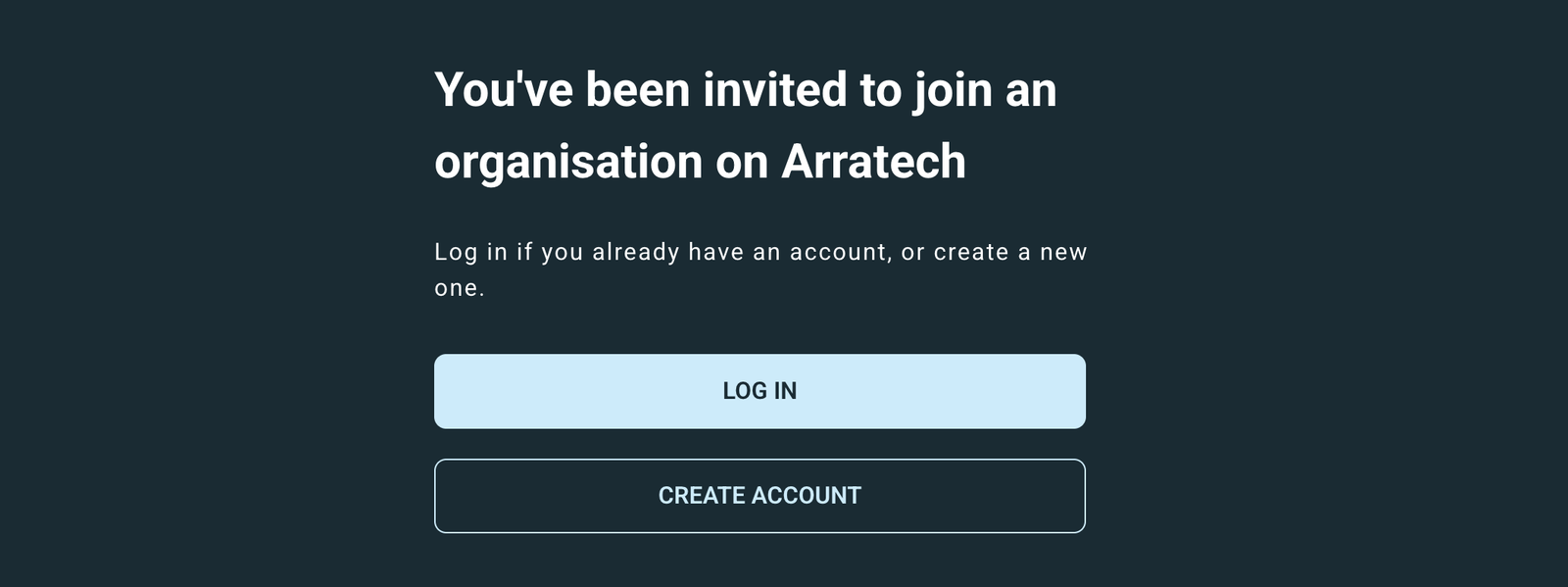
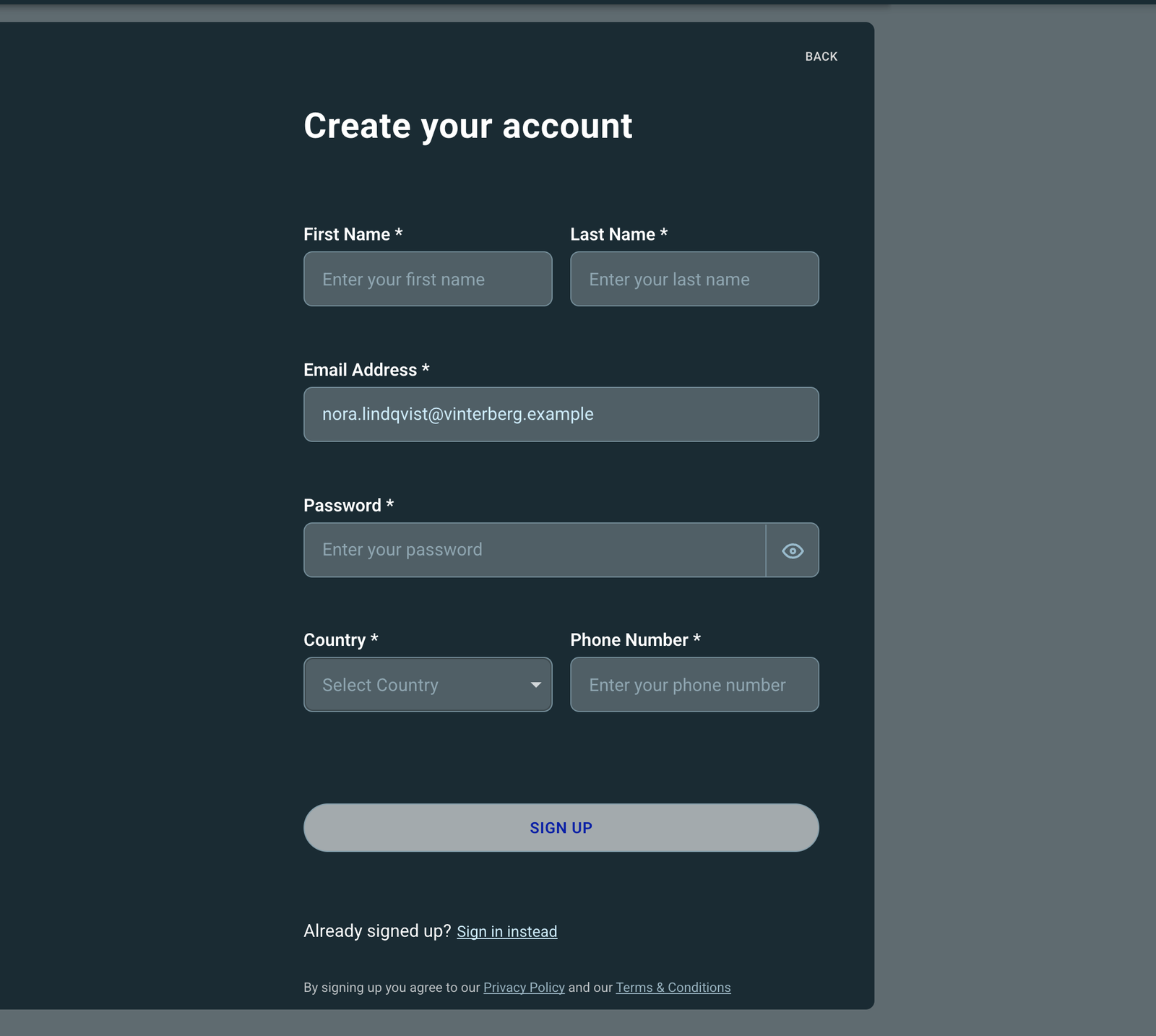
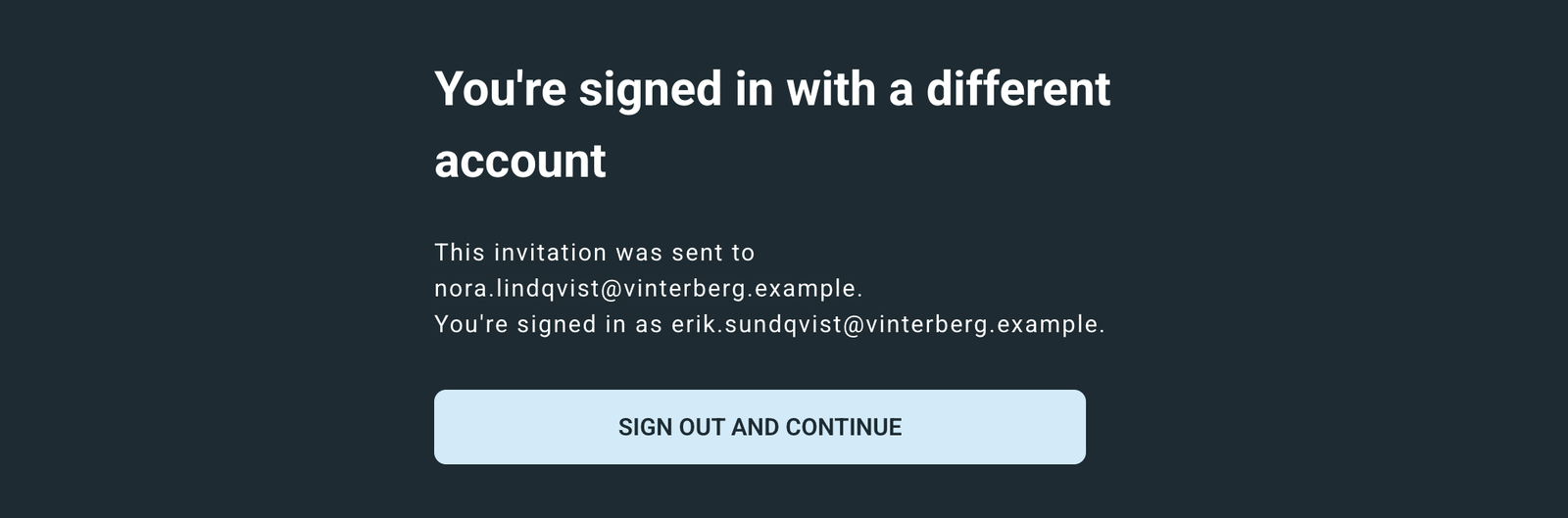
An address and a role are all it takes. The invitation is bound to the address, not to whoever holds the link, and the person does not need an Arratech account beforehand.
Members → Add Member
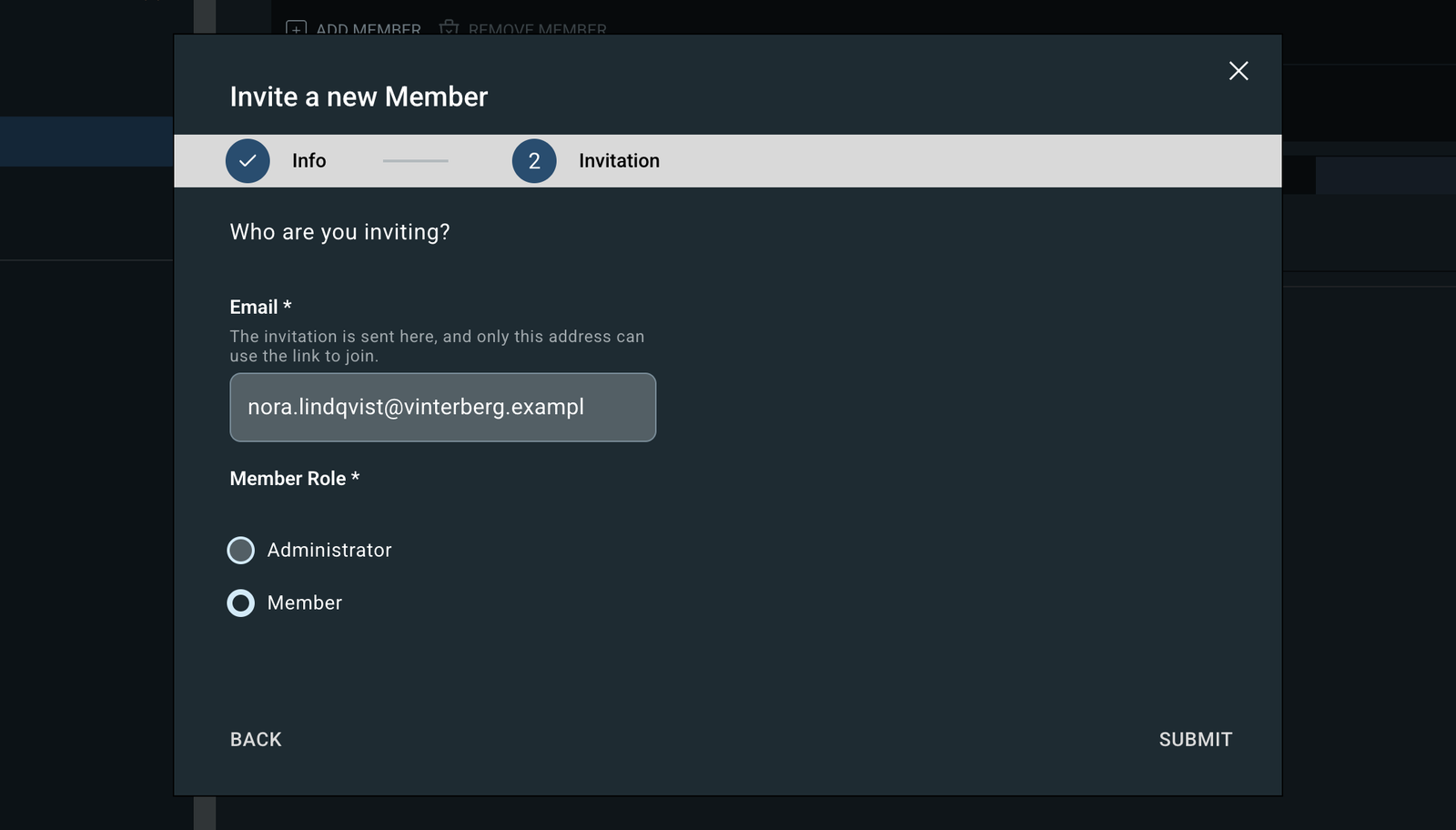
Organisation administrators only. The screen opens on what adding a member now means: an invitation goes out by email, the person joins by following the link, and their name comes from what they enter when they sign up.
The next screen asks for the email address and the role — Member or Administrator — then sends it.
To send a link again, invite the same address again. There is no separate resend action.
| After sending | What is shown |
|---|---|
| A new invitation | “Invitation sent!”, with the address and role. |
| The address already had one pending | “A new invitation link has been sent. The earlier link no longer works.” This is also how a wrong role is put right. |
The Invitations tab
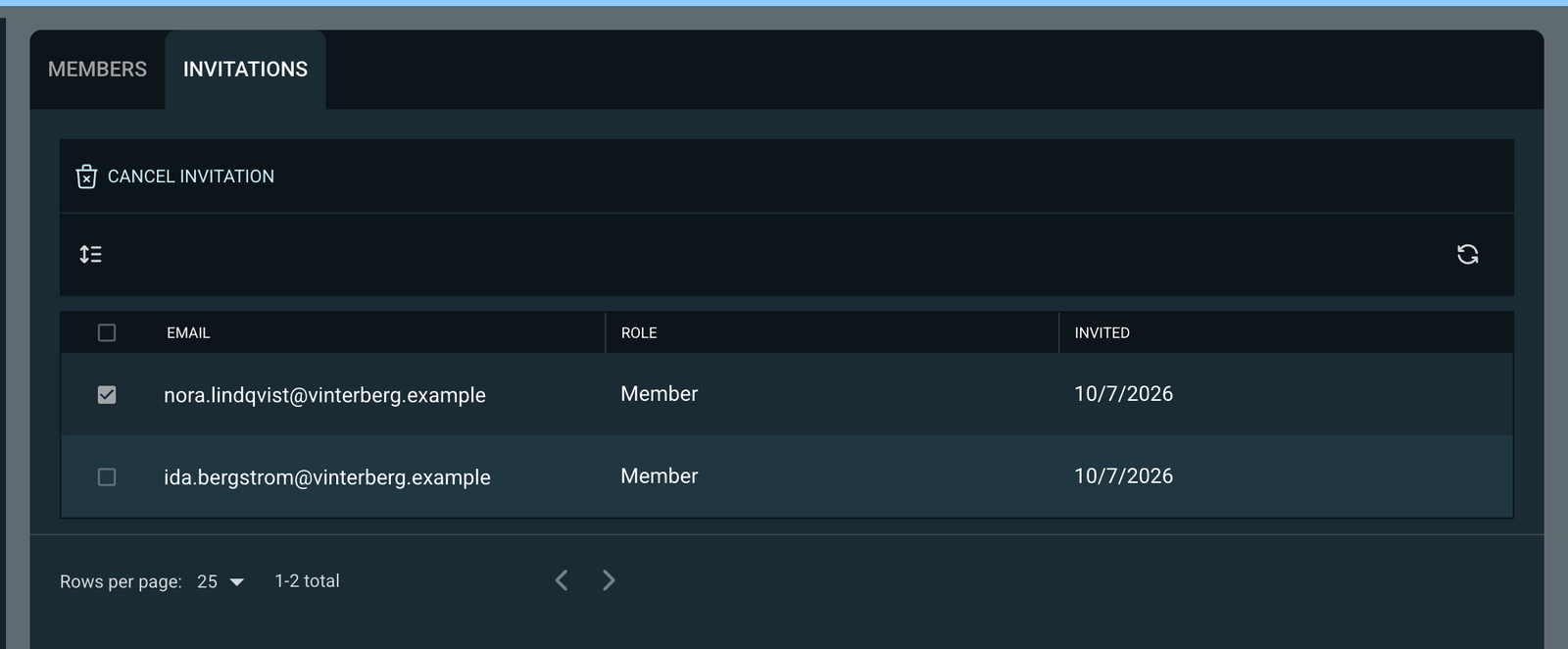
The Members page has two tabs. Members lists people who have joined; Invitations lists those who have not. They stay side by side rather than merged — someone who has not accepted has no member record behind them, only an address and a role.
Only pending invitations are listed. Cancelled ones are not, and accepted ones have become members. With nothing waiting: No one is waiting to accept.
Cancel Invitation
One at a time, from the Invitations tab. The confirmation says plainly what it does: the link in the email stops working and the person can no longer join with it, and they can be invited again at any time.
From the superadmin side
Creating an organisation under Add Org ends with an optional Administrator step. Fill in an address and the new organisation’s first administrator is invited straight away; leave it blank and the organisation is created with nobody able to manage it until someone is invited later.
Because that is two separate operations, the result is reported honestly: the organisation is created either way, and if the invitation could not be sent, the dialog says so and points at the organisation’s Members page.
{
  "email": "nora.lindqvist@vinterberg.example",
  "role": "orgadmin"
}

201 Created   a new invitation
200 OK        the pending one was reissued
Naming the person
| Given | What the invitation holds |
|---|---|
| An address with no account yet | The address. No account reference until it is accepted. |
| An address that has an account | The address, resolved to that account. |
| An account reference | The account, and the address taken from it. |
| Neither | Refused. |
Checked in this order
| Check | If it fails | |
|---|---|---|
| 1 | The organisation exists and is not the root organisation | Refused |
| 2 | The account exists, when one was named | User not found |
| 3 | The person is not a superadmin | Refused |
| 4 | The person is not already a member here | Refused |
| 5 | No invitation is already pending for the address | That one is reissued |
Being a member of a different organisation is not a blocker. A person can belong to several.
Inviting the same address again
The pending invitation keeps its identity and gets a new token, the role from this request, and a fresh 14 days. The previous link stops working. Only the status code distinguishes it — the body is the invitation either way.
The email
Sending is part of this call: the invitation is written first and the email goes out before the call returns, so a reissue cannot leave someone holding a dead link and no replacement.
The email names the organisation, who invited them, the role offered and how long the link lasts. A reissue says so in its own subject line.
If it never arrives, there is nothing to look up and resend: invite the address again, which sends a new link.
The link is the only place the raw token exists. It is never in an API response, never logged, and only its hash is stored.
Listing invitations
Without the filter the list holds every invitation the organisation has ever had. An unrecognised value is ignored rather than refused.
Cancelling
| Case | Answer |
|---|---|
| Pending | Cancelled, with the moment recorded. The address can be invited again. |
| Already accepted or cancelled | Refused |
| No such invitation | Not found |
| Racing an acceptance | The acceptance wins; the cancellation is refused. |
Errors
| Code | Reason |
|---|---|
| AT-1164 | The person is a superadmin |
| AT-1041 | Already a member of this organisation |
| AT-1174 | Invitation not found |
| AT-1175 | Invitation is no longer pending |
| shared | User not found · organisation not found · root organisation forbidden · address or account required |